
 EN


+86 189 4436 0203



 EN
Decorative Film 101: Everything Furniture and Wall-Panel Buyers Should Know About Wood-Grain, Marble and Stone-Look Films
Oct.21, 2026
News Summary
● What decorative film actually is and where it is used. A printed, flexible vinyl or PET surface that reproduces wood, marble, terrazzo and cement textures, widely laminated onto MDF, plywood, aluminum honeycomb panels and metal profiles.
● Why buyers switch from veneer, laminate and HPL to decorative film. More consistent patterns, lighter weight, easier wrapping, faster lead times and a fraction of the cost of real stone or solid wood.
● How to choose the right film — width, material, finish and back coating. Match substrate and processing method (flat lamination vs wrapping) with PET, PP or PVC, glossy or matte, smooth or embossed texture, and a suitable pressure-sensitive or heat-activated back coating.
Specific Content
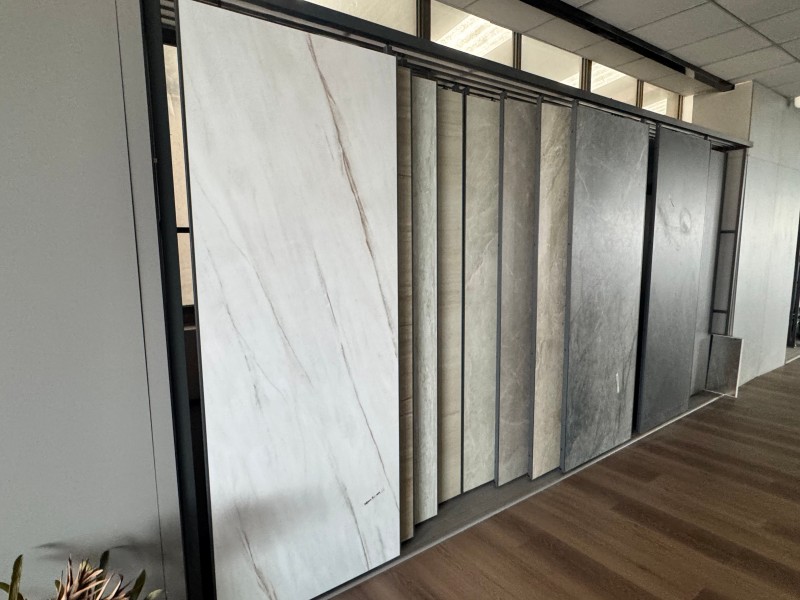
Decorative film — also called interior decoration film, furniture foil or surface film — is a thin, flexible web printed with natural-looking patterns and coated with an adhesive back. Once laminated onto a substrate such as MDF, plywood, particleboard, aluminum honeycomb panel or even metal, it delivers the visual effect of solid wood, natural marble, travertine, terrazzo or fair-faced concrete at a fraction of the weight, cost and lead time of the real material. It is now one of the fastest-growing surface materials in furniture, cabinetry, doors, wall panels, wardrobes and commercial interiors worldwide.
The global shift away from natural veneer and HPL is driven by three forces. First, pattern consistency: real wood and real stone are naturally irregular, while decorative film is digitally printed to match across every batch, which matters enormously for hotel and residential projects with hundreds of square meters of the same finish. Second, cost and logistics: a square meter of real marble can cost 10 to 20 times more than film-faced panels, and stone also adds structural load and installation cost. Third, design freedom: with digital printing, patterns can be customized by color, grain direction, width and even embossed texture — no plate-making, no minimum stock of veneer slices.
When sourcing decorative film, buyers should focus on four parameters. Material: PET offers the best clarity and eco profile, PP is a cost-effective general option, and PVC remains popular for wrapping applications. Width: for seamless large wall panels, a 2,600 mm wide film beats narrow 1,220 mm rolls, which force visible joints. Surface finish: glossy for a premium marble look, matte or embossed for wood and cement effects. Back coating: the film must match the lamination method — hot-melt for flat press, heat-activated for membrane press, pressure-sensitive for renovation projects.
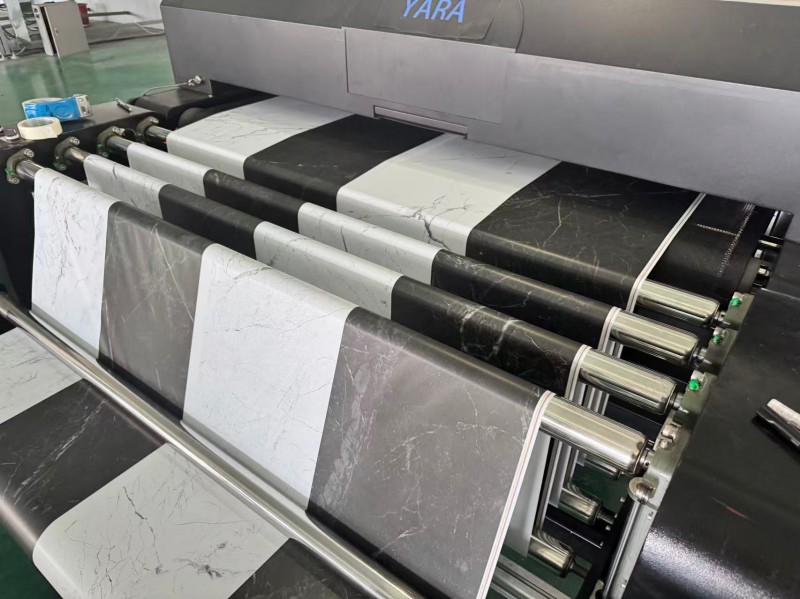
At YARATEK, we produce the full range — wood grain, marble, travertine, terrazzo, rust, cement, solid-color and stone-look wall panel films — on water-based digital printing lines in Changzhou, China. With standard widths of 1,220, 1,250 and 2,600 mm, thickness from 0.12 to 0.50 mm, and a 48-hour express sample service, we help furniture factories, panel distributors and interior contractors move from sample to bulk production in days, not months.

